TL;DR
- Freelance 3D modeling is worth the investment when you have a real product, a real deadline, and a real audience to present to. It is not the right move if you are still testing whether the idea has legs.
- The clearest signs you are ready: you need visuals for a pitch, a patent filing, a retail buyer, or a product launch, and you cannot wait on physical samples.
- A purpose-built 3D model does more than look good. It works across investor decks, e-commerce pages, packaging proofs, and marketing assets simultaneously.
- Before hiring anyone, ask whether you will own the source files, whether the portfolio matches your product category, and whether the modeler understands your business goal, not just the geometry.
- Common pitfalls include vague briefs, mismatched portfolios, and no contract covering file formats, revisions, and IP ownership. Avoid all three before work begins.
Not every product founder is ready for freelance 3D modeling. Some are. Some are not yet. Knowing which side you are on saves you time, money, and frustration, and that is exactly what this post is built to help you figure out.
The 3D mapping and modeling market was estimated at USD 7.12 billion in 2024 and is projected to reach USD 16.78 billion by 2030. That growth is not abstract. It reflects a real shift: product brands, inventors, and entrepreneurs have learned that photorealistic 3D visuals do work that photography and sketches simply cannot do at the early stages of a product’s life. The demand is there because the results are real, when the timing is right.
I am Kenal Louis, and I run Branding Design Pro, a one-person brand identity and visual design studio based in Omaha, Nebraska. I have been doing this since 2018, with over 15 years of client design experience and 25 years of drawing behind it. I work with product founders, inventors, and brand owners nationally. This post is my honest attempt to help you decide whether now is the right moment to hire a freelance 3D modeling designer, or whether something else needs to come first.

Is Freelance 3D Modeling Actually Right for Your Business Right Now?
Yes, if you have a defined product and a specific moment where visuals need to do real work. No, if you are still deciding whether the product concept is worth pursuing.
That distinction matters more than most founders expect. A 3D model is a presentation tool, a patent support asset, a marketing resource, and a manufacturing reference. It does all of those things well. But it does none of them if the underlying product direction is still shifting. I have seen clients come to me at exactly the right moment and get enormous value from the work. I have also spoken with founders who needed to take one more step back before the visual work could serve them properly.
Here are the clearest signs you are ready:
- You have a pitch meeting, a retail buyer conversation, or an investor presentation coming up and no physical sample to show
- You are filing a patent and need dimensionally accurate visual references
- You are launching a product and need marketing imagery before manufacturing is complete
- You need to test colors, materials, or finishes without producing physical samples
- You want to build a product catalog or e-commerce library from a single set of models
And here are the signs it may be too soon:
- The product’s core function or form is still undecided
- You have no reference materials, dimensions, or sketches to work from
- The budget for the project is not yet allocated and the timeline is indefinite
Honesty here saves everyone time. If you are in the second group, the right move is to get the concept tighter first. When you come back with a clearer direction, the 3D work will be faster, sharper, and more useful to you.
What Does Freelance 3D Modeling Actually Produce?
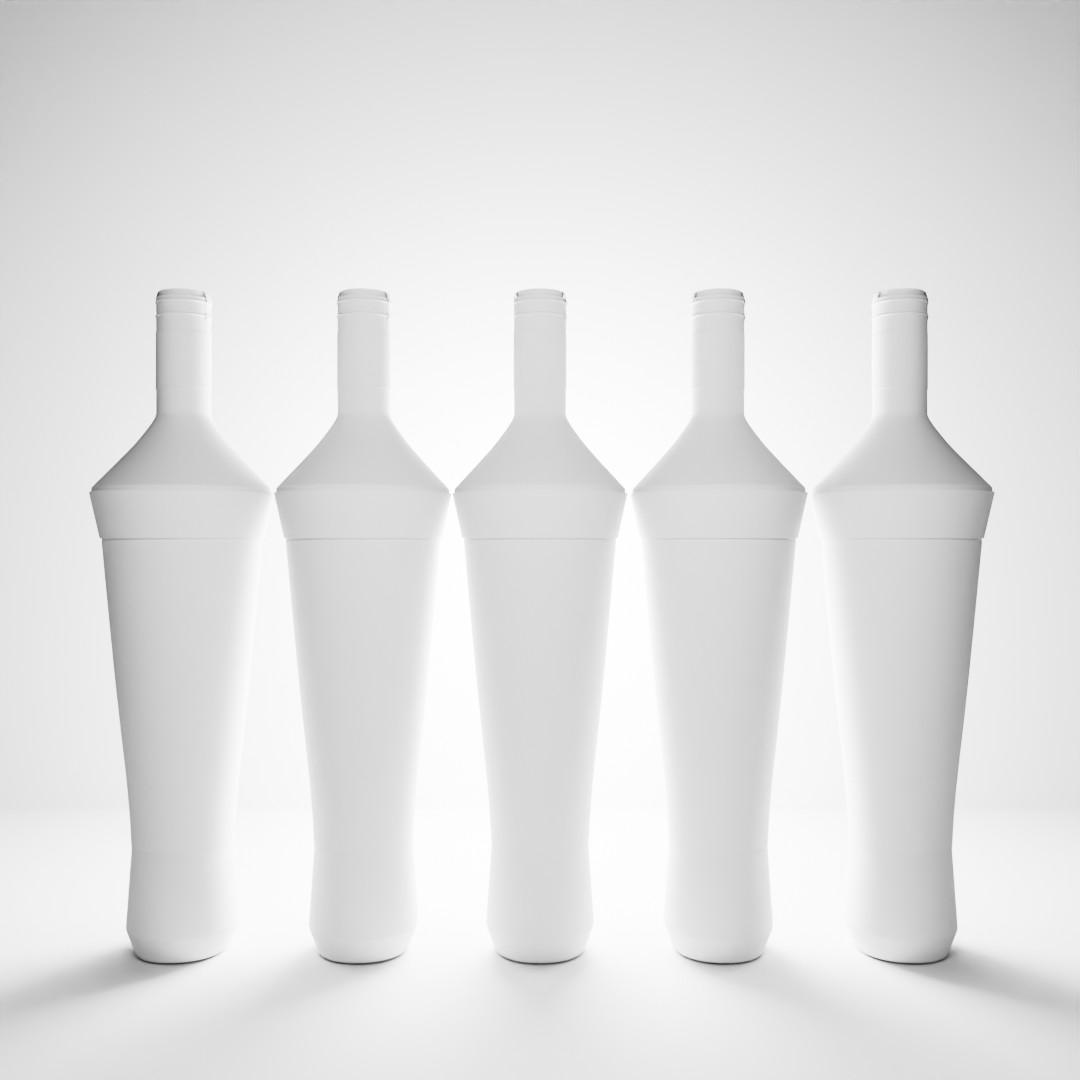
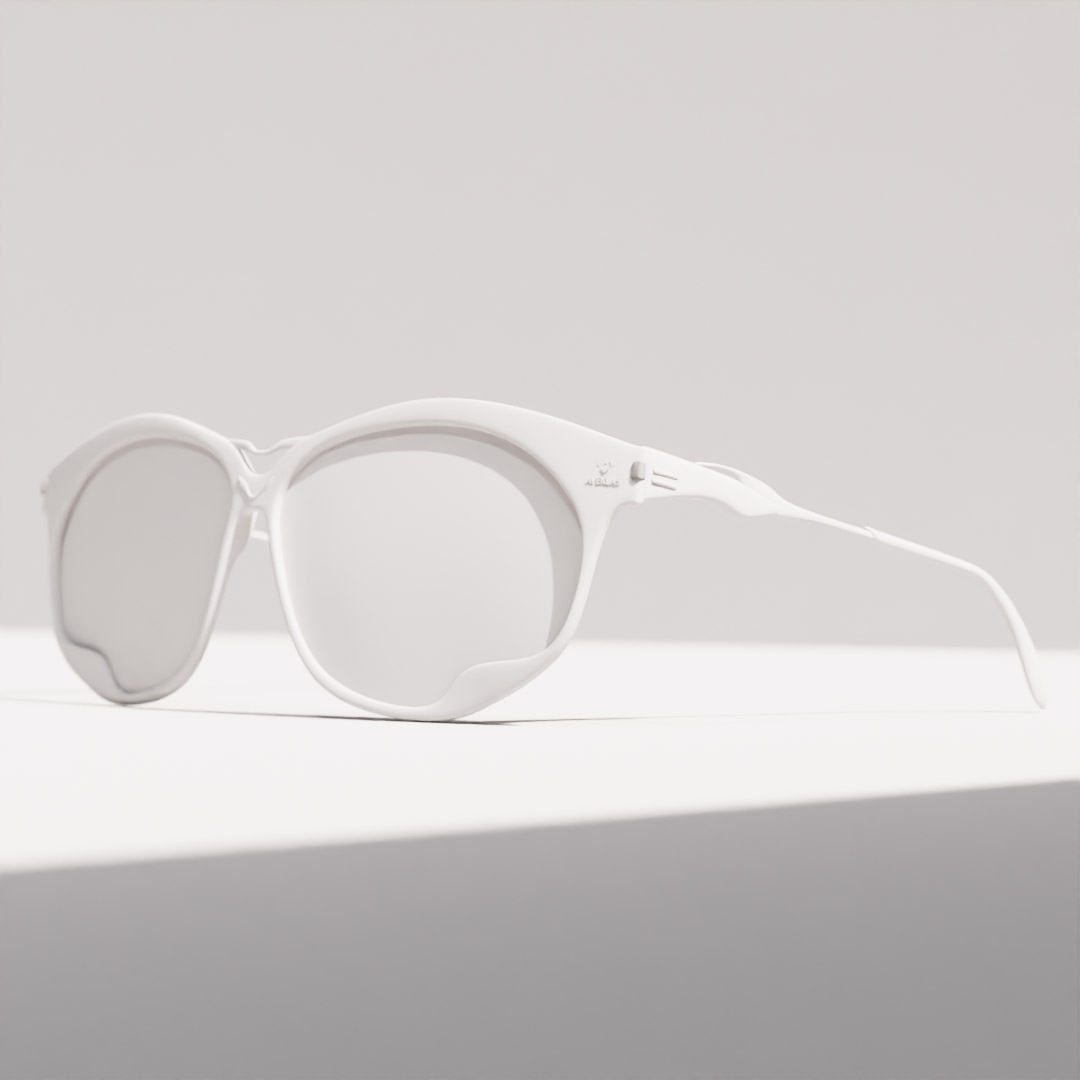
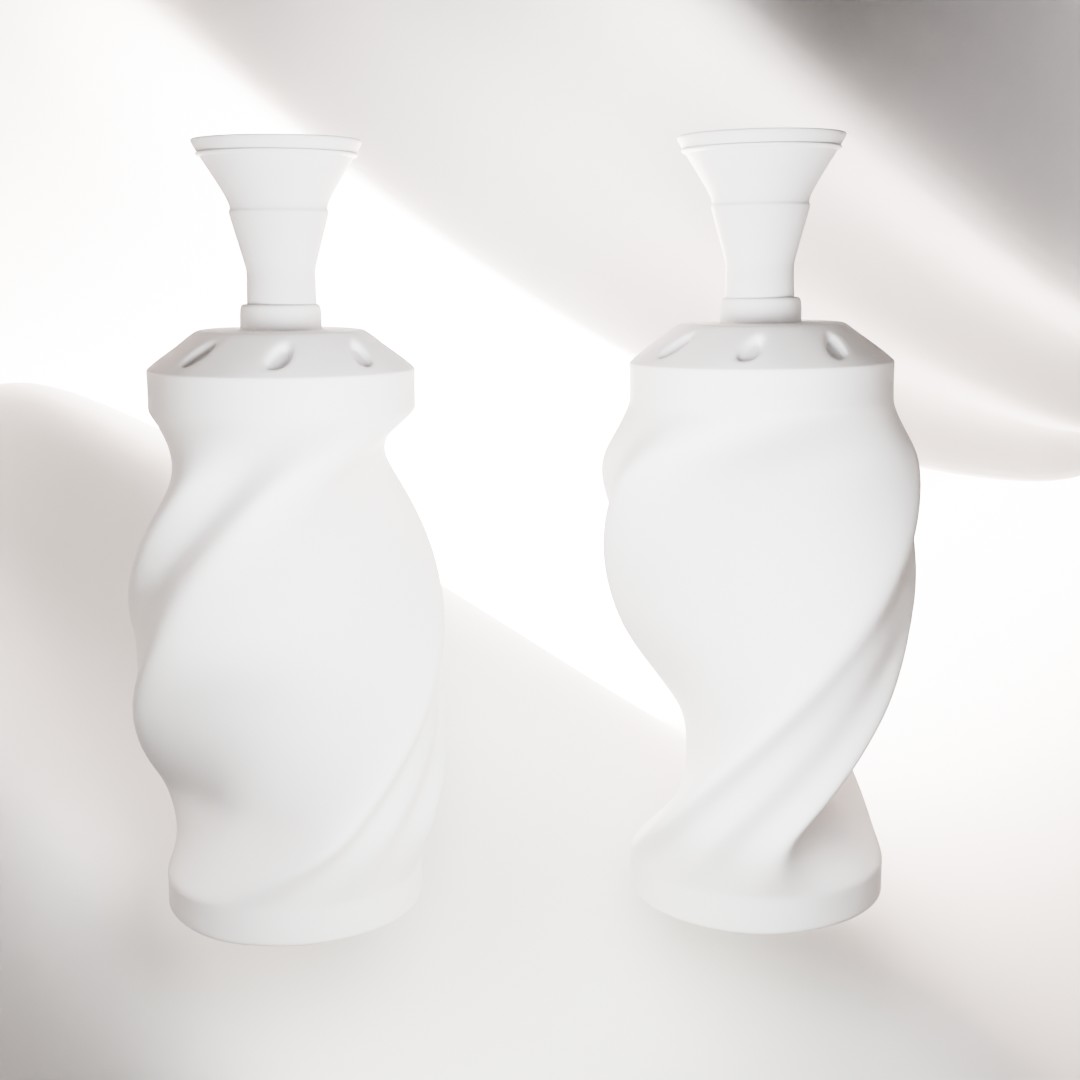
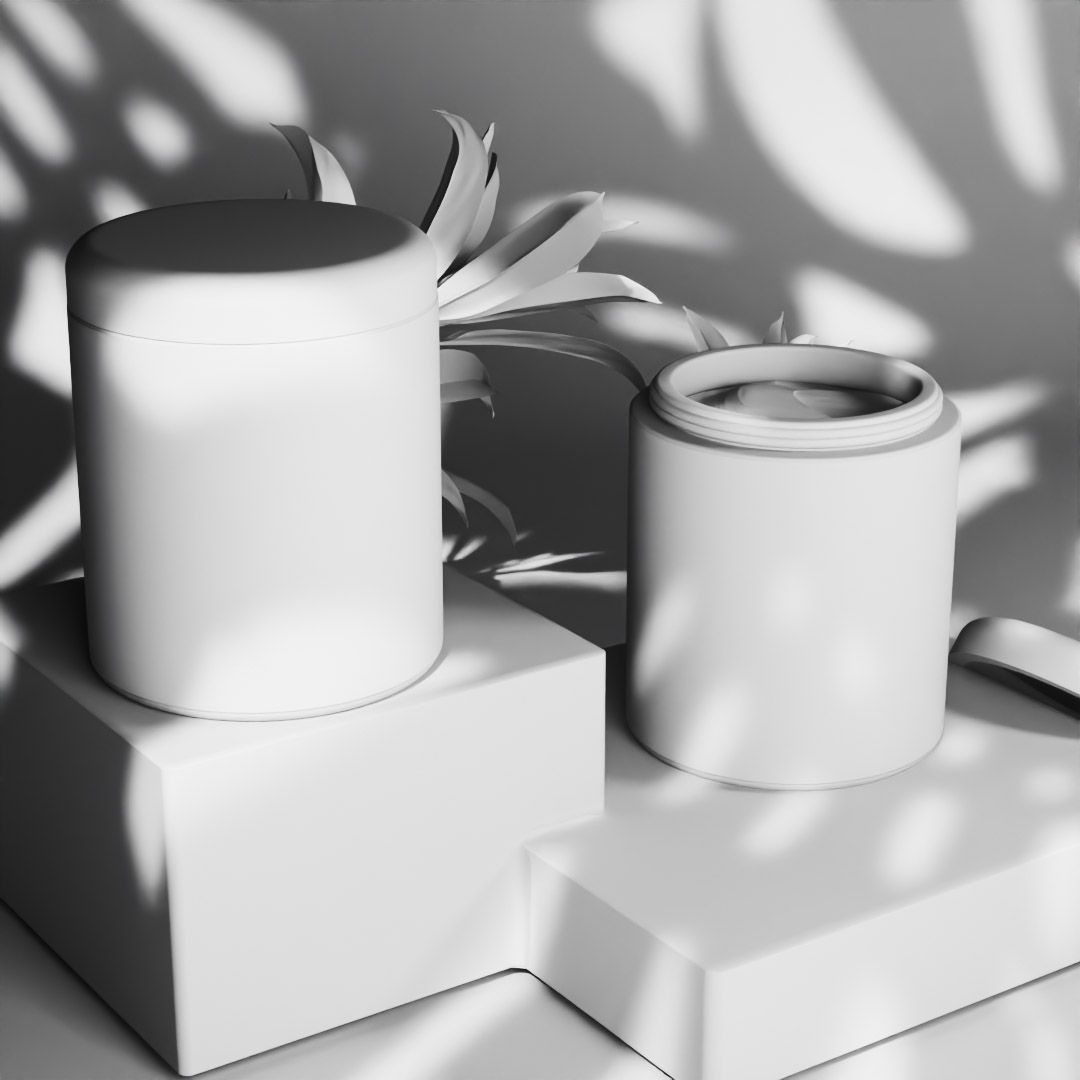
A finished 3D model is not one deliverable. It is a source file that generates many outputs: photorealistic still renders, clay-version proofs, animated product demonstrations, packaging mockups, and AR-ready assets, all from the same base geometry.
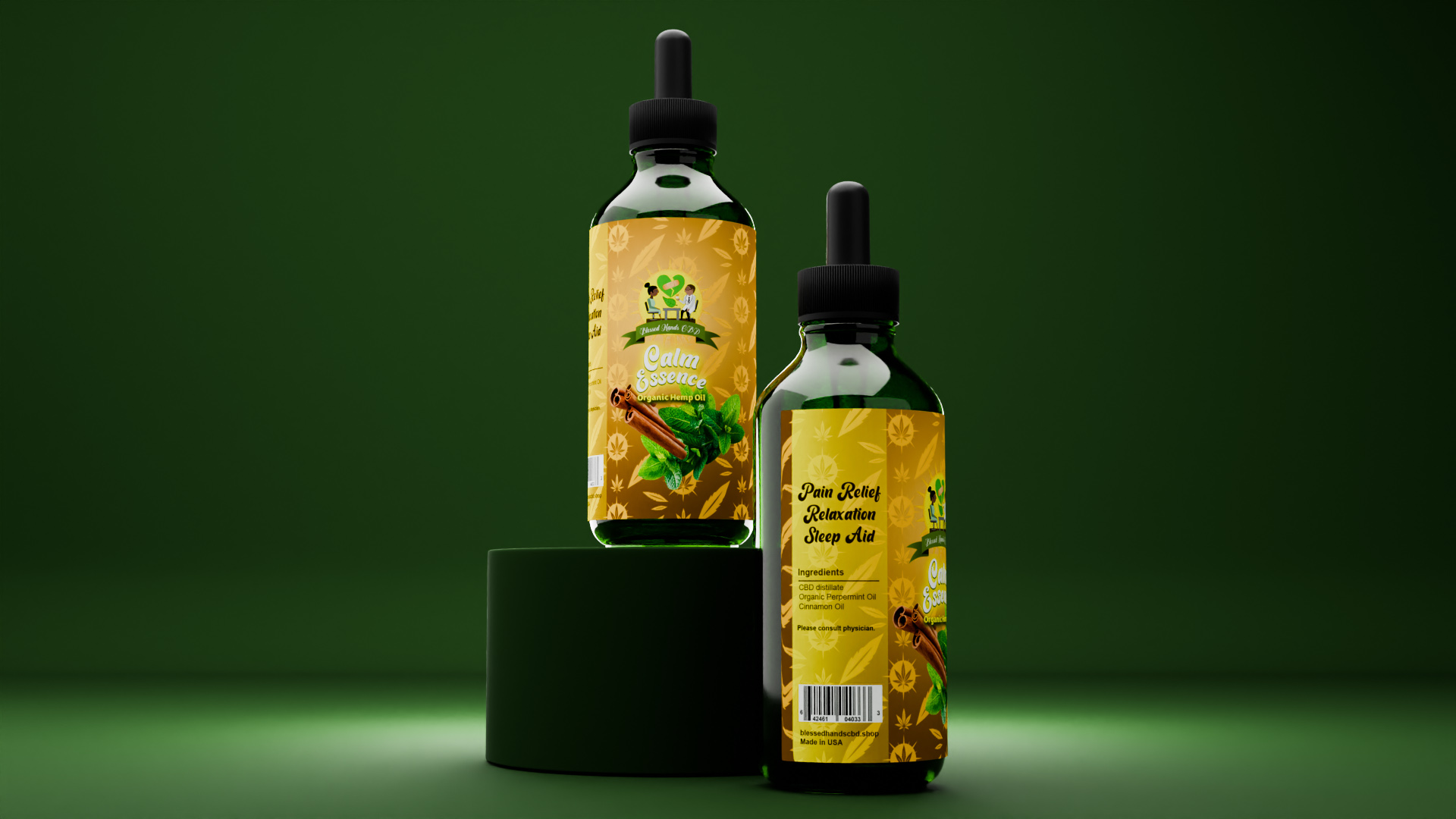
That efficiency is one of the strongest arguments for investing in this work early. When I build a product model for a client, that model can support a patent filing today, a pitch deck next week, and a product page the month after. The work compounds. One project at Branding Design Pro with Blessed Hand CBD, a gummy brand led by founder Naila Crawford, showed this clearly. The founder already had a logo she loved, so I did not push to replace it. Instead, I built the packaging design, created promotional animations, produced photorealistic 3D renders, and delivered still images and mockups ready for the online shop and promotional content. A single modeling engagement produced a full visual system.
When you hire a 3D modeler who understands both the craft and the business context, the output does not stop at images. It becomes the visual foundation your brand builds on.
The market reflects this. The 3D modeling services market is estimated at USD 5.2 billion in 2024 and expected to grow to USD 12.9 billion by 2033. The volume of businesses committing to this kind of work is rising because the return on clear, professional product visuals is real and repeatable across multiple use cases.

How the 3D Modeling Process Works at Branding Design Pro
Every project starts with a conversation before a single model is built. I need to understand what the product is, what it needs to accomplish, and who is going to see it. That context shapes every decision that follows.
Step 1: Discovery and references
After an agreement is signed and a deposit is paid, I hold a discovery call. I ask about your product’s dimensions, materials, intended finishes, and the specific use case for the renders. If you have sketches, reference images, or technical drawings, I want all of them. The more precisely I understand the product at this stage, the fewer revision cycles the project needs later.
Step 2: Building the model
I build the geometry with your end goal in mind, not just the shape. A model built for a patent filing needs dimensional accuracy. A model built for a marketing campaign needs to photograph beautifully under studio lighting conditions. Those are different priorities, and I account for both when they overlap. You can see examples of this range in my 3D modeling portfolio.
Step 3: Review and refinement
You review the model with me directly. I walk you through what you are seeing, explain the decisions behind it, and take your feedback seriously. Most clients are surprised at how quickly the concept starts to look exactly as they imagined it. I keep refining until what is on screen matches what you have been carrying in your head.
Step 4: Final delivery
You receive the renders, the source files, and any additional formats the project calls for. You own everything. Nothing is held back.


What Should You Watch Out for Before Hiring a 3D Modeler?
The biggest risks are not technical. They are contractual and communicative, and most of them are avoidable if you know what to look for before you sign anything.
Scope creep starts with a vague brief. If you cannot describe your product’s dimensions, intended materials, and the specific output you need, the project will drift. I ask detailed questions at the start precisely because ambiguity costs both sides time. Hiring guides for 3D modeling consistently flag this as the leading cause of delays and disputes. Define deliverables, timeline, and budget before work begins, and put it in writing.
Portfolio mismatch is a real problem. A modeler who specializes in gaming assets or architectural visualization may not have the product-design sensibility your physical consumer product needs. Review the portfolio for work that matches your category. If you are launching a beauty or skincare brand, look for evidence of that kind of work, not just technical skill in the abstract. My 3D product visualization work spans beauty, beverage, CBD, eyewear, fragrance, and haircare, among others.
Incomplete references lead to misaligned models. If you hand a modeler vague sketches and no dimensions, you will get a model that looks roughly right but fails in practical use. For products heading toward manufacturing or patent filing, tolerances and proportions matter. Bring as much technical detail as you have.
No contract means no protection. Confirm before the project starts that you will own the source files, that revision limits are defined, that file formats are specified, and that intellectual property ownership is clearly assigned to you. For inventions heading toward commercialization, this is not optional.


How Do You Evaluate a Freelance 3D Modeler Before Hiring?
Check the portfolio first, and check it specifically. Not for technical polish alone, but for product category match, material realism, and evidence that the modeler understands how the work will be used.
A portfolio full of gaming characters or architectural interiors does not tell you much about how that person handles a consumer product with a label, a cap, and a specific material finish. Ask directly: have you modeled products in my category? Can you show me work that went into a real pitch or a real product launch?
Software proficiency matters, but it is secondary to judgment. Whether a modeler uses Blender, Maya, Cinema 4D, or a CAD-based workflow depends on the project type. For organic product forms and marketing renders, sculpting and rendering tools dominate. For precision mechanical parts intended for manufacturing, CAD accuracy is the priority. Ask which tools they use and why, and listen for whether the answer connects to your specific need.
Communication style is worth evaluating before you commit. A modeler who asks clarifying questions, confirms deliverable formats, and explains their process clearly is a better sign than one who simply quotes a price. I treat communication as a core part of the design process, not an afterthought, because misaligned expectations cost more to fix than they would have cost to prevent.
Finally, confirm file format delivery before the project starts. For marketing and e-commerce use, high-resolution renders in standard image formats are the baseline. For manufacturers and engineers, you may need formats such as .OBJ, .FBX, .STL, or native CAD files depending on the downstream workflow. Know what you need and confirm it is included before work begins. My 3D design work covers product modeling, rendering, visualization, and custom applications, with deliverables matched to what each client’s project actually requires.

What I Bring to a 3D Modeling Project That a Generalist Does Not
I am not a modeler who learned software and started taking product jobs. I am a brand and product designer with over 25 years of drawing experience and patents of my own for shoe and furniture designs. When I work on your product, I bring the full weight of that background to it.
That means I am thinking about how the product reads at thumbnail size on a phone screen, how the label interacts with the form, how the material finish will photograph in a social media context, and whether the proportions communicate premium or commodity. Those are brand decisions embedded inside technical ones, and they only get made well when the person building the model understands both layers.
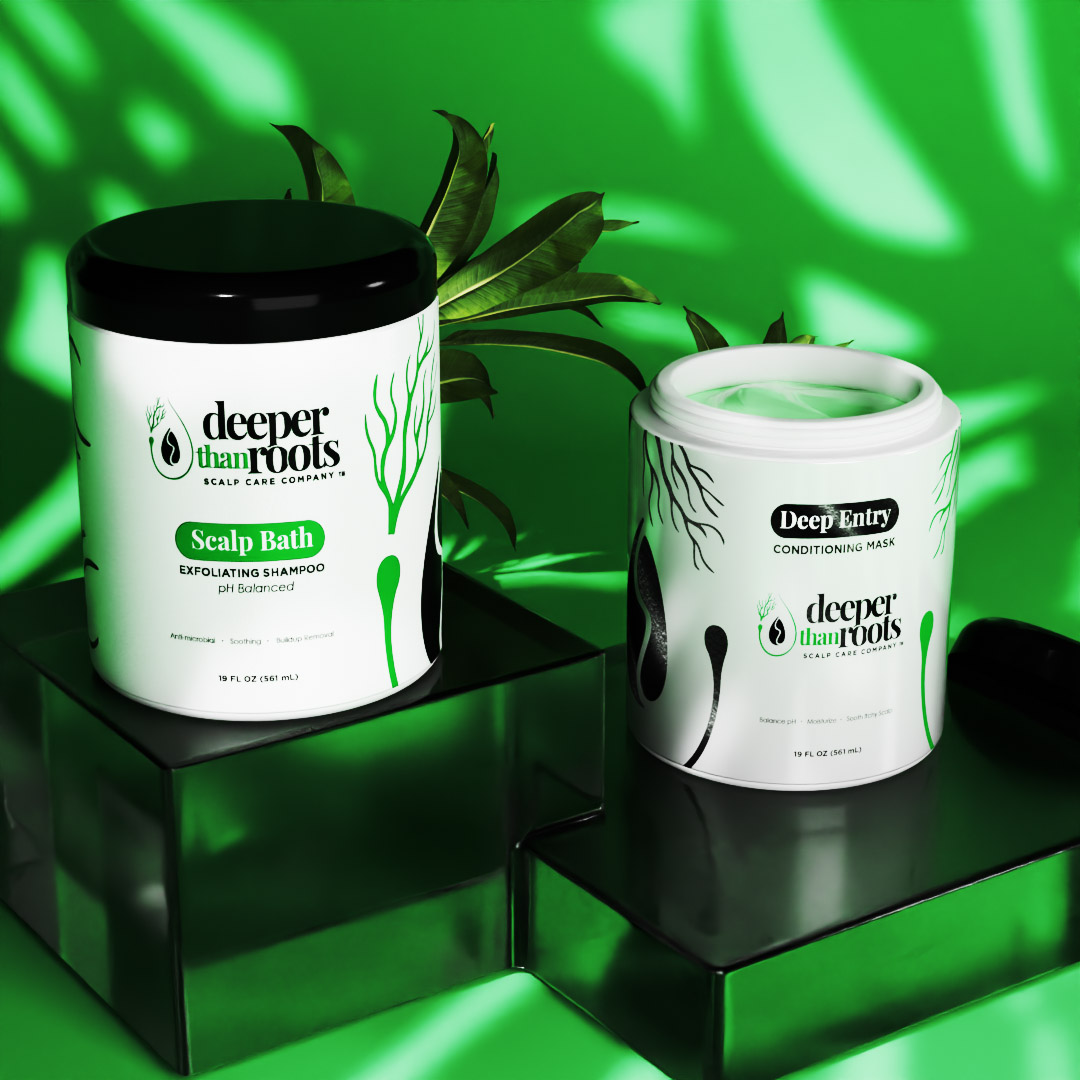
One project that comes to mind is the Deeper Than Roots haircare brand, led by entrepreneur Angel, who had lost contact with a prior designer and needed a refined identity, product labels, and launch visuals. I developed 3D product renders for pre-launch promotion and pre-orders, and the brand launched at a convention with those visuals as its primary presentation tool. The renders were not decorative. They were functional launch assets.
That kind of thinking is what separates purpose-built work from generic output. If you are also at the stage where your brand identity needs to be built alongside the product visuals, I work as a freelance branding designer who handles both, so the product and the brand speak the same visual language from the start.
What working with me includes:
- Complete ownership of all 3D files and renders upon project completion
- Revisions built into the design phase
- Marketing-ready images delivered in the formats your project requires
- 3D animation for product demonstrations and launch content when the project calls for it
- Hire a 3D modeler through a direct one-on-one process, not a crowdsourced concept marketplace
Frequently Asked Questions About Hiring a Freelance 3D Modeling Designer
What should I look for in a portfolio before hiring?
Look for product work that matches your category in both form and application. A portfolio that shows consumer products, packaging, and marketing renders tells you more than one that shows only abstract models or architectural work. Check whether the materials, lighting, and finishes look believable, and ask whether any of the work was used in a real pitch, product launch, or e-commerce context.
How do I write an effective project brief?
Include the product’s dimensions, intended materials, color references, and the specific use case for the renders. State clearly whether the output is for a patent filing, a pitch deck, a product page, or marketing content, because each has different technical requirements. The more specific your brief, the fewer revision cycles the project needs and the faster you get to a result you can use.
Which file formats should I request?
For marketing and e-commerce use, high-resolution rendered images are the standard output. If your manufacturer or engineer needs to work with the geometry directly, request formats such as .OBJ, .FBX, or .STL depending on their pipeline. For patent support, dimensionally accurate technical drawings are often needed alongside the model. Confirm the required formats before work begins and make sure they are listed in the agreement.
How much does it typically cost, and what affects the rate?
Pricing depends on the complexity of the product, the number of variations, the intended outputs, and the timeline. A single product with one colorway and a set of marketing renders is a different scope from a full product line with packaging, animations, and multiple finish options. I quote each project individually after a scope conversation, so you know exactly what you are getting before work starts.
How can I assess technical skills and software experience?
Ask which software the modeler uses and why, then connect the answer to your project type. For product visualization and marketing renders, tools like Cinema 4D, Blender, or KeyShot are common. For precision mechanical work, CAD-based tools matter more. Ask to see work produced specifically in the tool they plan to use for your project, and look for evidence that the output has been used in a real-world context, not just as a portfolio piece.
What is the best way to manage communication and revisions?
Agree on a communication channel and a revision process before the project starts. I work through phone calls, Zoom, screen sharing, and text depending on what the moment calls for, because different stages of a project need different kinds of conversation. Clear feedback at each review stage keeps the project moving and prevents the kind of compounding misalignment that makes revisions expensive.
Client Testimonials
Time - 1:02 minutes
Time - 4:55 minutes
Time - 58 seconds
Time - 1:31 minutes
How Do You Know If You Have Found the Right 3D Modeling Partner?
You know when the first conversation feels like a real exchange rather than a sales pitch. The right modeler asks more questions than they answer in that first call, because they need to understand your product and your goal before they can tell you what the work will require.
I have built Branding Design Pro on that principle. When a product founder contacts me, I want to understand what the product is, who it is for, where it is going, and what the next 90 days look like for the business. That context is what makes the 3D work useful rather than just visually impressive. A render that looks good but does not serve the pitch, the filing, or the launch is a missed opportunity.
In my experience, the clients who get the most from this work are the ones who come in with a clear goal, an honest timeline, and a willingness to engage in the process. They review the model carefully, give specific feedback, and trust the professional guidance they hired for. That combination produces work both of us are proud of.
The 3D modeling services market was valued at approximately USD 4.3 billion in 2023 and is forecast to reach USD 13.5 billion by 2032. The growth is real, and so is the range of quality within it. Choosing a modeler who understands your business, not just your geometry, is the decision that separates a useful deliverable from an expensive folder of files.
Your product, presented with the clarity it deserves, is the version of it that gets taken seriously. If you are ready to build that, reach out and book a call with me and let’s talk through what your project needs.
Let's talk about your vision for your brand. Use the calendar to book your free consultation call — you'll share your goals, get answers, and see whether we're the right fit for each other.