
TL;DR
- A brand designer for hire does far more than produce a logo: the real deliverable is a complete visual system that works across packaging, print, digital, and every customer touchpoint.
- Hiring for logo-only deliverables when you actually need an identity system is one of the most common and costly mistakes a business owner can make.
- Rate benchmarks vary widely: a 2025 freelance report places the median Brand/Identity Designer rate at $90 per hour, while a 2026 YunoJuno report lists $65 per hour for Branding Designers. Fixed-project pricing is a different structure entirely.
- The right designer builds the brand direction around your audience, your market position, and your business purpose, not around personal taste.
- A one-on-one process with a single designer means your project never gets handed off to someone who did not hear the original brief.

Hiring a brand designer for hire is not the same as buying a logo. That distinction matters more than most business owners realize until they are already past the point where it cost them something. A logo without a system is a signature with nothing to sign. What you actually need is a visual identity that holds up on a product label, a website header, a truck wrap, and a social post, all at once, all reading as the same brand.
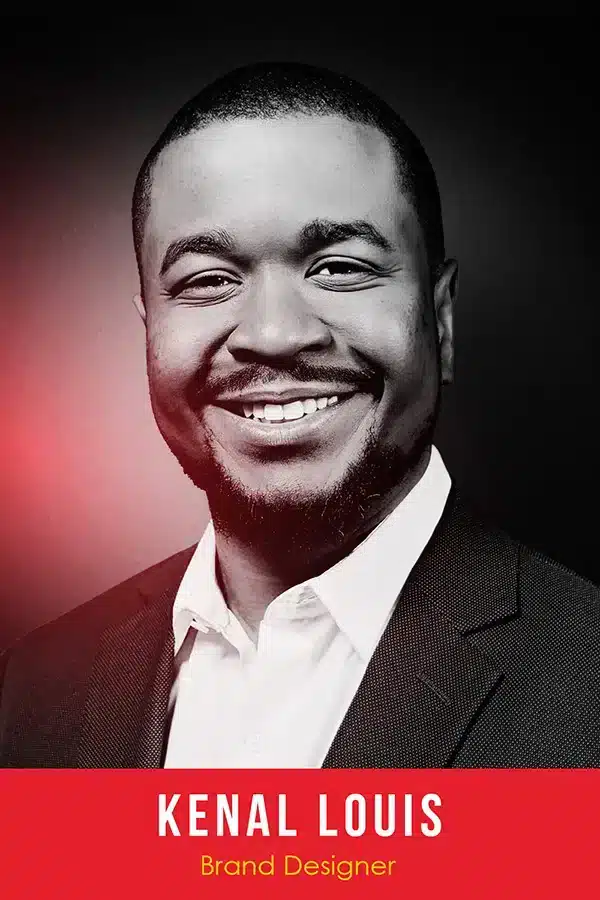
I am Kenal Louis, the designer behind Branding Design Pro. I have been designing for business clients for over 15 years, and I have been drawing for more than 25. I work with roughly four to six clients a month, one-on-one, from the first discovery call to the final file handoff. This post covers what that work actually produces, what to watch for when you are evaluating designers, and how to know when you have found the right one.
What a Brand Designer Actually Produces
Most people picture a logo file. The real output is a system of decisions that govern how a business looks, reads, and feels across every surface it occupies. That system starts with research into the audience, the market, and the competitive space. It moves through structural sketches, grayscale prototypes, and color testing before a single polished concept is presented.
My process usually begins with six to nine hand-drawn rough compositional sketches. Sketching at that stage is deliberate. It forces structural thinking before any software is involved, and it gives the client something to react to before the work gets too refined to change. From those sketches, one or two directions earn further development. Grayscale comes before color because proportion and form have to work in the absence of color before color is added.
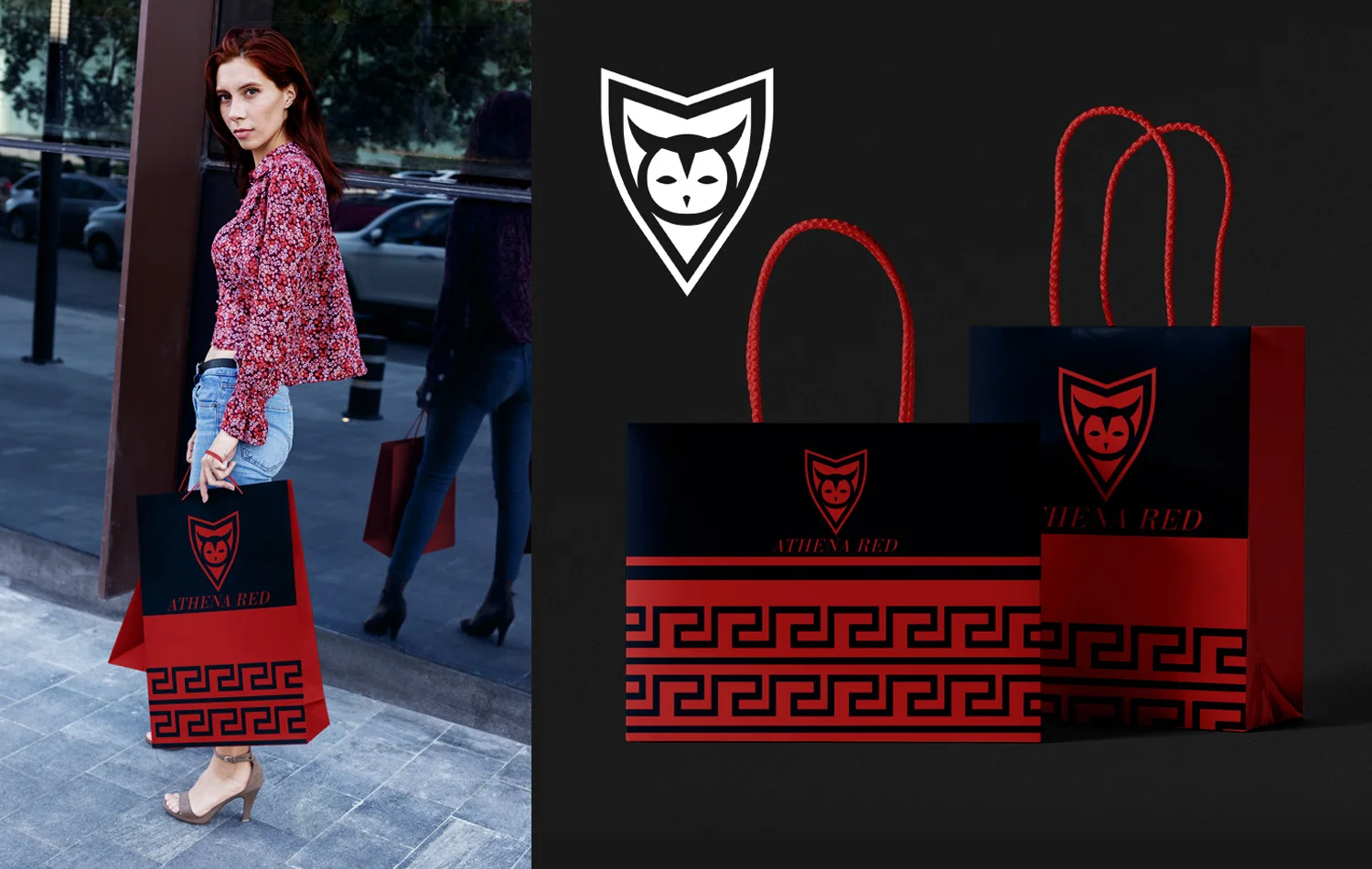
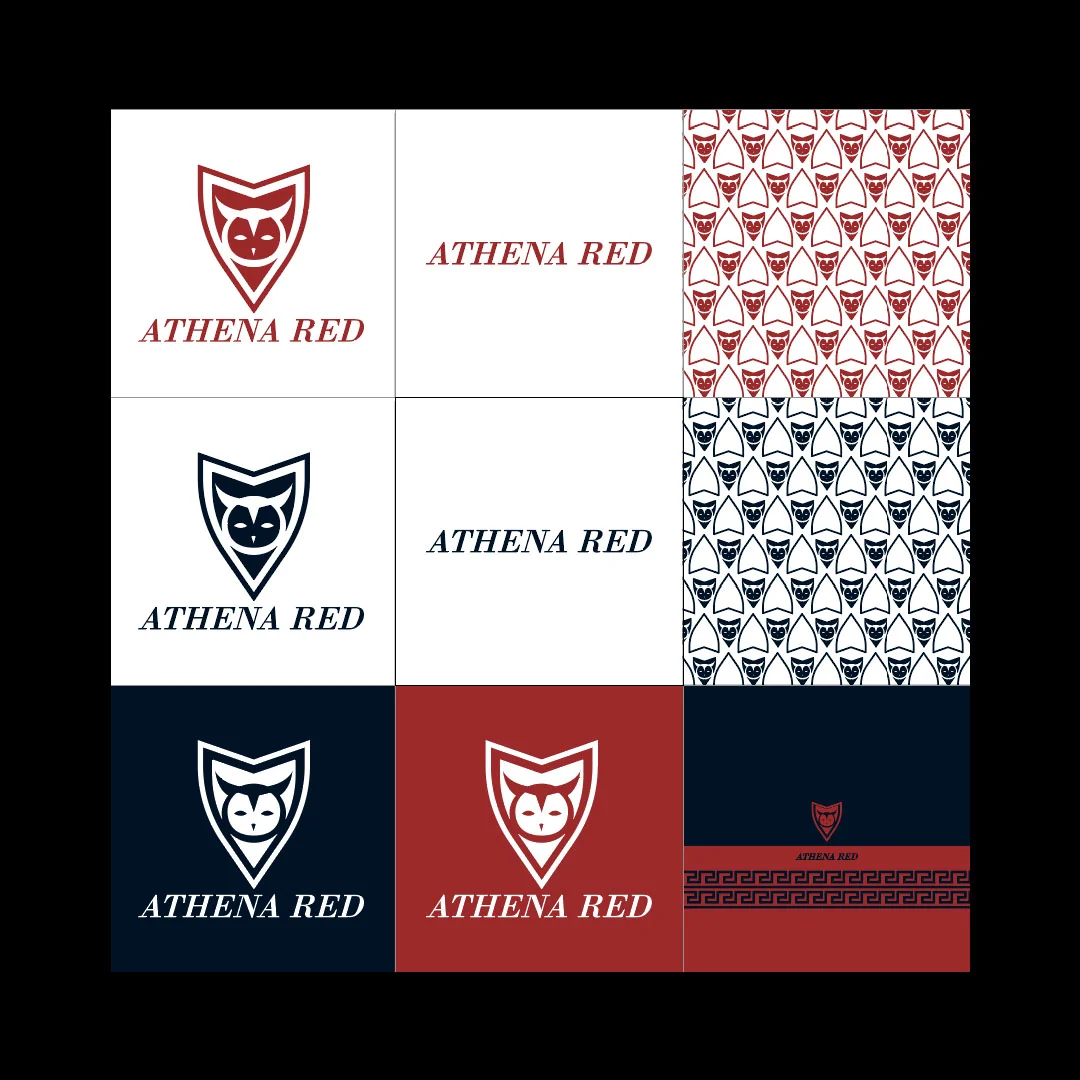
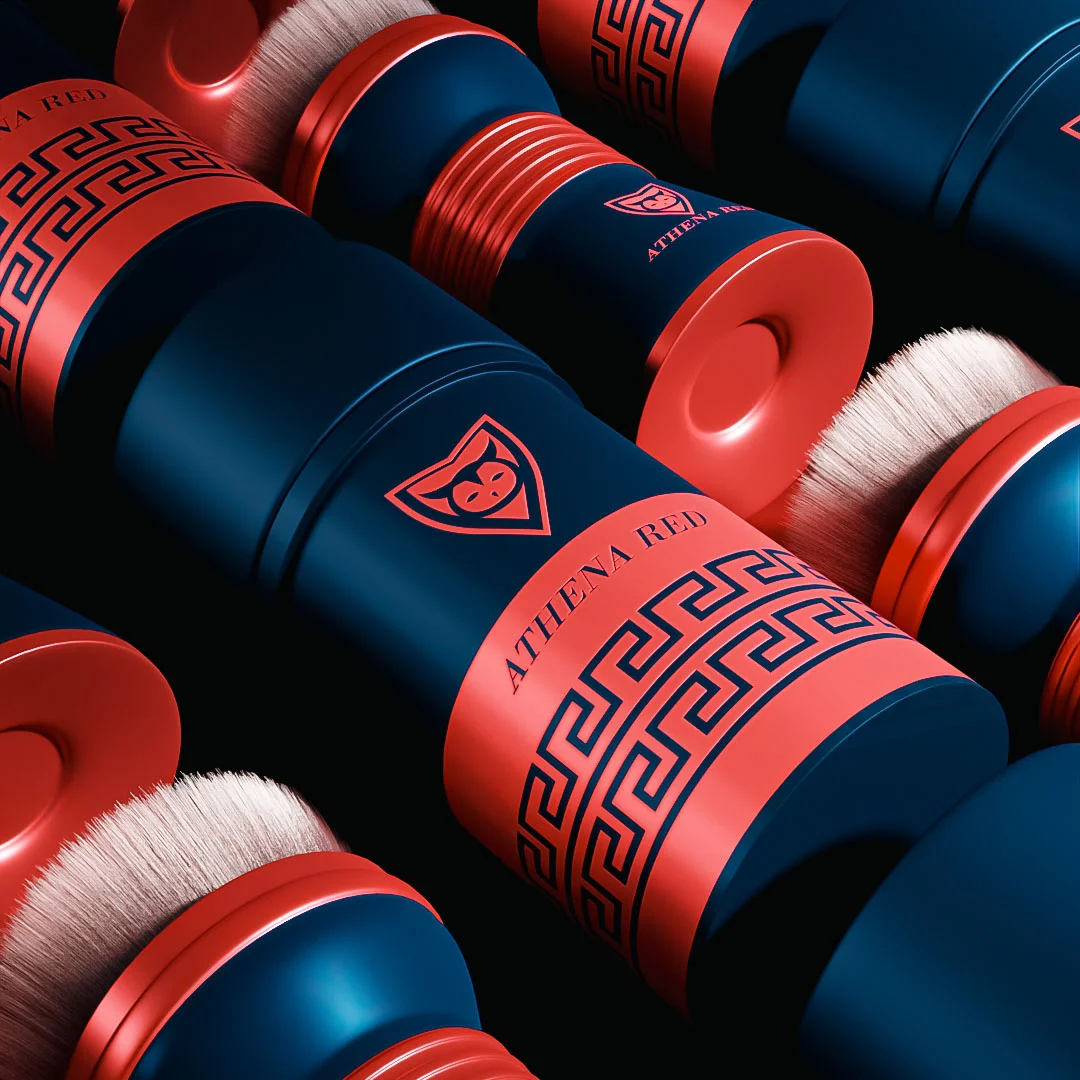
The finished deliverables from a complete identity project can include a primary logo mark, secondary marks and icon variations, a color palette built around audience psychology, a type hierarchy, usage rules, and a brand guide that explains how all of it applies. Larger packages extend into packaging design, website design, social media templates, product labels, 3D renders, and marketing collateral. Each piece connects back to the same visual logic so the brand reads as one thing regardless of where it appears.



How Much Does It Cost to Hire a Brand Designer?
The honest answer is that pricing structure matters as much as the number itself. A 2025 freelance rates report places the median hourly rate for a Brand/Identity Designer at $90, with the 25th percentile at $55 and the 75th percentile at $175. That same report shows a year-over-year increase of 10% for this category. A separate 2026 YunoJuno report lists the average hourly rate for a Branding Designer at $65.
Those numbers describe hourly freelance work. Fixed-project pricing is a different structure, and it is the one most serious identity projects use. An hourly rate tells you very little about what a finished brand identity system will cost, because scope, deliverables, and revision rounds all affect the total.
Comparing rates without checking whether pricing is hourly, day-rate, or fixed-project is one of the most common mistakes I see business owners make when evaluating designers. A low hourly rate on an open-ended project can cost more than a higher fixed-project rate with clear deliverables. Read the scope before you read the number.
At Branding Design Pro, logo concepts created from scratch start around $2,000. Full branding packages for startups and established businesses vary with deliverables. Scope drives the investment, and scope is discussed before any agreement is signed.


Brand Product Animation
What Should Be Included in a Brand Identity Project?
A complete brand identity project should include a logo system, a defined color palette, typography rules, usage guidelines, and at minimum a one-page brand reference document. That is the floor, not the ceiling.
Most businesses need more than the floor. If you sell a physical product, the identity has to extend to label and packaging design. If you are building an audience online, social media templates and a website that reflects the same visual language are part of the same system. Stopping at a logo file and trying to build everything else around it later is how brands end up looking inconsistent across touchpoints.
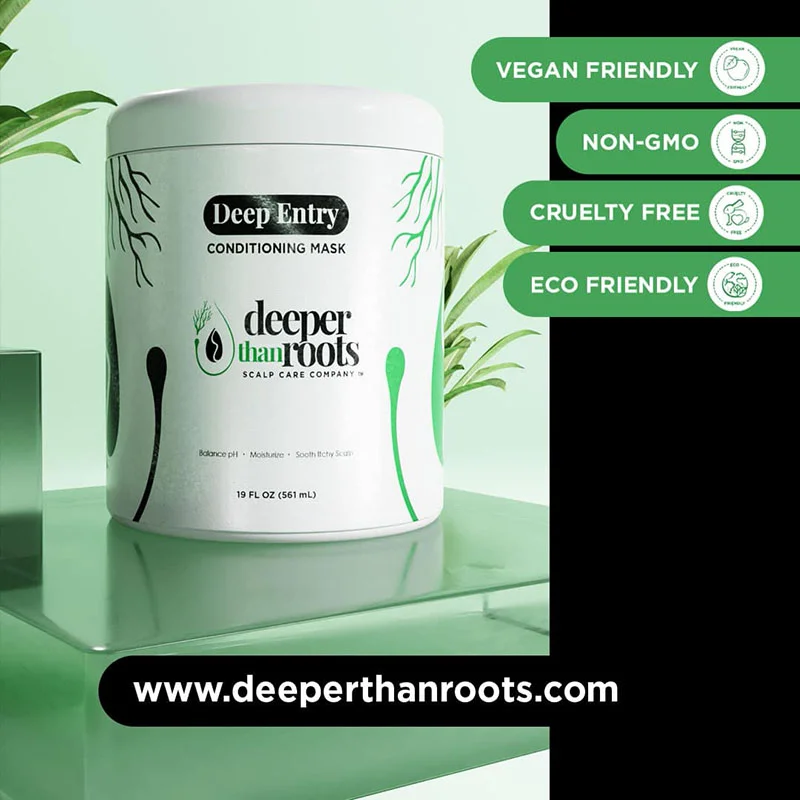
One project that illustrates this clearly is Deeper Than Roots, a Virginia haircare brand led by entrepreneur Angel. She had lost contact with a prior designer and needed a refined identity, product labels, and launch visuals before a convention. I refined the logo direction with a classic but edgy serif typeface, replaced a literal portrait with an abstract seed symbol surrounded by forms suggesting roots flowing upward, and developed product labels alongside 3D product renders for pre-launch promotion. The brand launched at the convention with the full system in place, from the mark to the physical product packaging.
That is what a complete project looks like in practice. The logo was one piece. The labels, the renders, the color refinement, the type choice: all of it had to agree with each other before any of it could go in front of an audience. If you want to see how 3D visualization extends a brand into pre-launch marketing, the 3D product visualization services page covers that in more detail.
Scope details that are easy to overlook
Beyond the deliverable list, pay attention to revision policy, file formats, and usage rights before you sign anything. Some designers limit revisions to two or three rounds; others, like me, work toward a result the client is genuinely satisfied with. File format matters because a JPEG is not the same as an editable vector source file, and you will need the source files when you scale to signage, embroidery, or large-format print. Usage rights determine whether you own the mark outright or are licensing it. These details are not fine print; they are the actual terms of the engagement.


How Do I Choose Between a Freelance Brand Designer and an Agency?
The core difference is who does the work. At an agency, a strategist takes your brief, an account manager relays it, and one of several designers executes it. By the time the work comes back, it has passed through at least two layers of interpretation that were not present in the original conversation.
Working directly with a freelance branding designer means the person who heard your brief is the person building the identity. There is no handoff, no translation loss, and no account manager standing between your feedback and the designer’s screen. That directness tends to produce sharper work because the context stays intact from the first conversation to the last revision.
The counterargument for agencies is bandwidth. Agencies can staff multiple specialists simultaneously. For most brand identity projects, though, that is not what the work requires. A single experienced designer who understands strategy, typography, color, and application covers the full scope. The question is whether that designer brings the structure and professionalism a serious project demands, because not every independent designer does.
According to Figma’s research, 82% of leaders say their organization’s need for designers has either increased or stayed steady, with nearly half reporting an increase. Demand for skilled design work is not softening. That means the pool of available designers is broad, and the quality range within it is wide. Portfolio depth, process clarity, and communication style are the filters that matter.
What the process should look like
A structured process is a signal. Before any creative work begins, I hold a discovery call that covers the target audience’s age range, psychographics, and motivations; the client’s vision and any existing concepts; needed assets and collateral; and the competitive context the brand is entering. That conversation shapes the research and inspiration phase that follows. Designers who skip this step and move straight to concepts are building on assumptions rather than information.
Communication is also part of the process, not an afterthought. I work through phone calls, text messages, Zoom, Google Meet, and screen sharing, depending on what fits the client’s situation. Miscommunication causes more project friction than almost any creative disagreement, so I treat clear communication as foundational to the work itself.


How Long Does a Brand Identity Project Usually Take?
Most full identity projects run four to six weeks from the discovery call to final files, though scope affects that range in both directions. A logo-only project can move faster. A branding package that includes packaging, a website, and social templates takes longer because each deliverable depends on the one before it.
The sketch phase alone takes time when it is done properly. Presenting six to nine rough compositional sketches means exploring structural options before committing to a direction. That exploration prevents the most expensive problem in design: getting deep into a refined concept and realizing the underlying structure is wrong. Catching that early in sketches costs nothing. Catching it after three rounds of digital refinement costs everyone time.
Rebrands sometimes take longer than new brand projects, particularly when the existing mark has equity worth preserving or when the client is moving away from something that has been in use for years. I generally start rebrands from scratch, including when the prior mark was improvised or AI-generated, because building on a weak foundation produces a weak result. If a client wants to retain a substantial portion of a pre-existing design, I am transparent about that and do not claim full authorship of the outcome.
For projects that extend into website design, the timeline expands accordingly. A standalone website starts at $3,000 and is scoped individually. If you want a sense of what that process looks like alongside branding work, the website designer for hire page covers the details.
What Separates Strong Brand Identity Work from Adequate Work
Adequate work solves the brief. Strong work anticipates what the brief did not ask for. The difference shows up in the details that most clients do not notice until they are missing.
A color palette that looks right on screen but shifts on print stock is a detail that matters the moment a label goes to press. A typeface that reads clearly at display size but breaks down at eight points on a product label is a problem that surfaces at the worst possible moment. A logo that works as a centered lockup but has no icon variation for a square social profile or embroidered hat is an identity that was built for one surface instead of many.
I have seen this play out with clients who came to me after working with a previous designer. The logo looked fine in isolation. On a label, on a bag, at small scale, it stopped working. The proportions were wrong for reproduction. The colors had no defined values, so every vendor interpreted them differently. The type was decorative rather than functional. Fixing those problems after the fact costs more than building them correctly the first time.
Strong identity work also includes guidance for the client after delivery. A brand guide that explains typeface names, color codes, logo-use rules, and background guidance means the client can brief a printer, a social media manager, or a web developer without the identity drifting. Larger packages at Branding Design Pro can include narrated video guides or presentation slides that walk the client through the system and how to apply it. The identity does not stop working when the project closes; it has to keep working in the hands of people who were not in the room when it was built.
For product brands specifically, the identity often needs to extend into 3D visualization before the physical product exists. Pre-launch promotion, investor presentations, and pre-order campaigns all require product visuals. That is where 3D product animation services become part of the brand identity conversation rather than a separate afterthought.

Frequently Asked Questions
What does a brand designer do beyond making a logo?
A brand designer builds the complete visual language a business uses to communicate with its audience. That includes color systems, typography hierarchies, usage rules, packaging, collateral, and the brand guide that governs how all of it gets applied. The logo is the anchor of that system, but the system is what makes the logo work consistently across every surface.
How much does it cost to hire a brand designer?
It depends on scope and pricing structure. Hourly rates for Brand/Identity Designers range widely: a 2025 freelance report shows a median of $90 per hour, while a 2026 YunoJuno report lists $65 per hour on average. Fixed-project pricing is a different calculation entirely, and most serious identity projects use it. Scope, deliverables, and revision terms all affect the total investment more than the hourly rate does.
What should be included in a brand identity project?
At minimum: a logo system with variations, a defined color palette, typography rules, and a brand reference document. Most businesses also need packaging or label design, social media templates, and a website that reflects the same visual system. Stopping at a logo file and building everything else around it later is how brands end up looking inconsistent.
How do I choose between a freelance brand designer and an agency?
Ask who is actually doing the creative work. At an agency, your brief passes through multiple people before it reaches a designer. Working directly with an experienced independent designer means the person who heard your brief is the person building the identity. For most brand identity projects, that directness produces better results because the context never gets lost in translation.
How long does a brand identity project usually take?
Most full identity projects run four to six weeks from the discovery call to final files. Logo-only projects can move faster. Branding packages that include packaging, a website, and additional assets take longer because each deliverable builds on the one before it. Rebrands sometimes take more time when there is existing equity to evaluate before a new direction is established.
This post opened with a simple claim: hiring a brand designer for hire is not the same as buying a logo. Every section since then has been a proof of that claim, from the sketch process that precedes any digital work, to the 3D renders that carry a brand into pre-launch promotion, to the brand guide that keeps the identity consistent long after the project closes. The range of what this work produces is wide. What it has in common is that every piece connects back to the same visual logic, and that logic starts with understanding the business, the audience, and the market before a single concept is drawn.
If your visuals are not keeping up with what your business has become, or if you are building something new and want to get the foundation right from the start, I am ready to talk through what the project would look like. Reach out and book a call and we can go from there.
Tags: brand identity designer, freelance branding expert, creative brand consultant, logo and branding specialist, visual identity professional, brand strategy designer, corporate branding services, brand development specialist, professional brand creator, brand design consultant, creative branding solutions
View the portfolio | Brand visual identity | Website and branding packages | Hair product branding | Jewelry store branding | Real estate branding | Branding Design Pro | Branding package examples | Top branding work | Small business branding packages | Startup branding packages | Brand design | Fashion branding | Beverage branding


