
TL;DR
- 3D modeling lets product brands show buyers, retailers, and investors photorealistic visuals before a single physical sample is made, compressing timelines and reducing costly production errors.
- Luxury and high-ticket product categories benefit most because discerning buyers judge quality from visuals alone, and a render that misrepresents materials or proportions damages credibility fast.
- The 3D rendering market reached USD $4.4 billion in 2023 and is growing at roughly 25% annually, signaling that this is now core infrastructure for product brands, not an optional extra.
- Common pitfalls include over-idealized renders that set expectations physical products cannot meet, and 3D assets that are never reused across e-commerce, social, and pitch decks, which multiplies cost unnecessarily.
- This post walks through a real luxury footwear project to show what the process looks like, what decisions matter, and what to watch out for before you invest.
You have a pitch meeting in three weeks. A retailer wants to see your product line, and you have no samples, no photography, and no budget to manufacture units just to show a buyer what the box looks like. That is exactly the situation where 3D modeling earns its place in a product brand’s toolkit. Not as a shortcut, but as the most precise tool available for communicating what something will look, feel, and cost to produce before it physically exists.
I’m Kenal Louis, and I run Branding Design Pro, a one-person brand identity and visual design studio based in Omaha, Nebraska. I’ve been designing for business clients for more than 15 years, and product visualization work has become one of the most requested services I offer. The Alex Claude luxury footwear project is a good example of what this work actually involves, so I’m going to use it throughout this post to ground the explanation in something concrete.
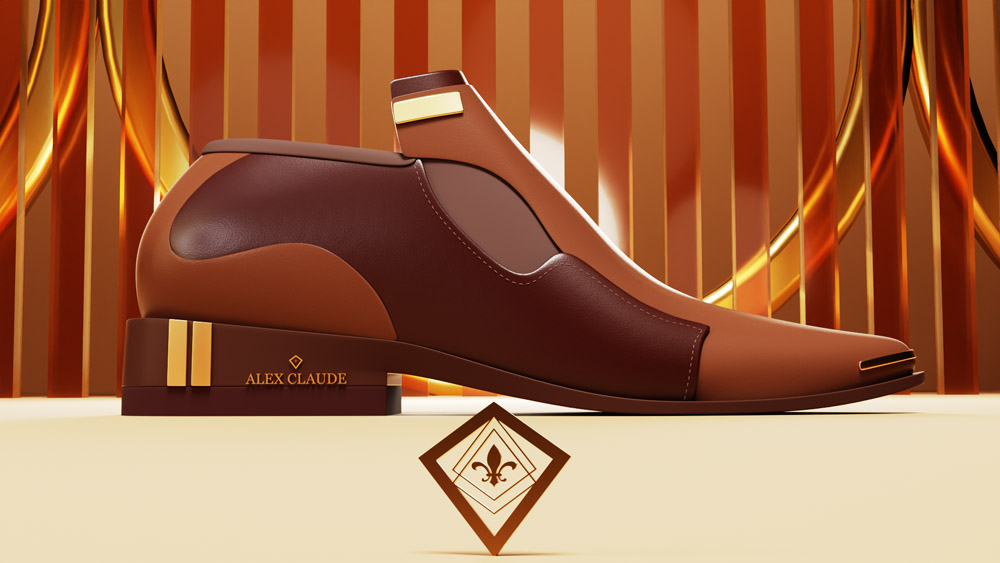
Does 3D Modeling Work for Luxury Packaging Before a Sample Exists?
Yes, and for luxury brands it is often the only way to communicate quality before production begins. The Alex Claude brand had to feel expensive before anyone ever touched the product. That is the real challenge with luxury branding: you have to communicate quality through visuals alone, and every choice either earns that trust or breaks it.
I started with color psychology. The deep burgundy and rich cognac tones were not random selections. These colors draw on centuries of association with royalty, wealth, and old-world craftsmanship. That kind of history does not need to be explained. It lands the moment someone sees it.
When the eye lands on that red velvet interior against the chocolate brown exterior, the brain registers “premium” before a single conscious thought forms. That instant reaction is exactly what luxury branding is designed to create. The typography reinforces this positioning just as strongly. A refined serif font with generous letter spacing signals tradition and established credibility. Cramped letters feel rushed. Breathing room feels considered. That distinction is subtle, but buyers feel it.
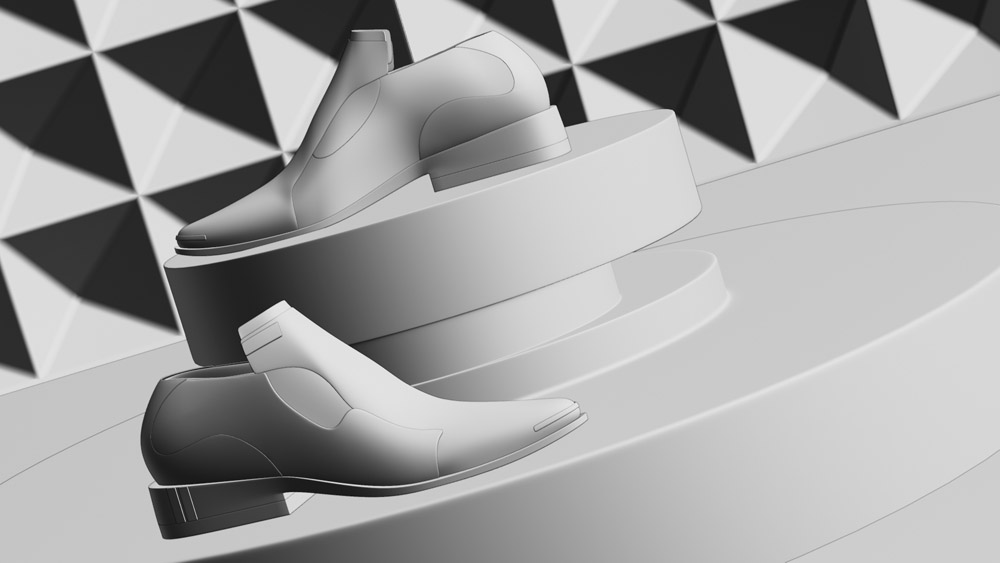
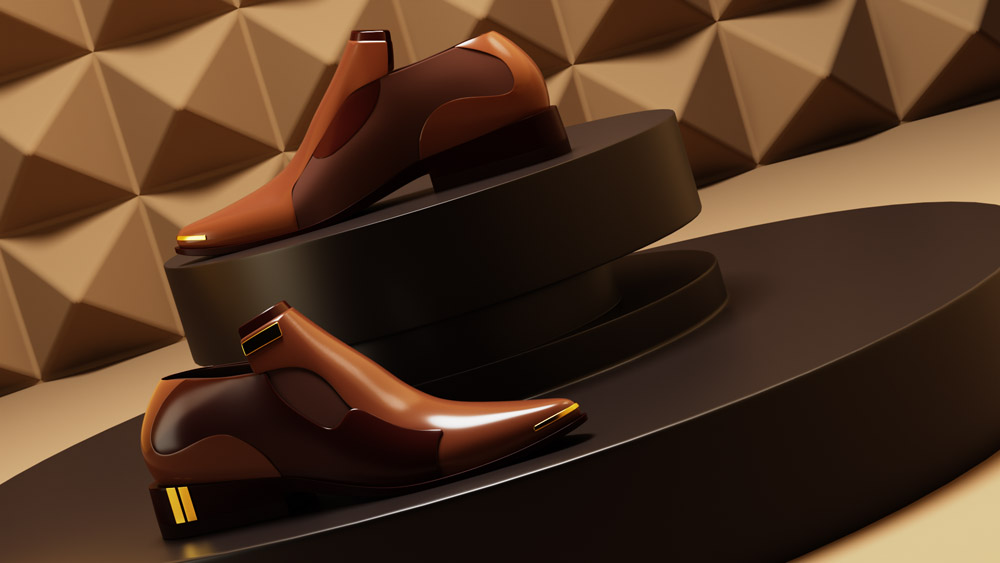
Who Is 3D Modeling Actually For?
Not every product brand needs it, and not every project justifies the investment. But there are specific situations where 3D modeling is the clearest path forward.
The first situation is a pre-production pitch. If you are presenting to a retailer, investor, or licensing partner before manufacturing begins, you need something that reads like a finished product. A hand sketch or a flat logo on a white background does not carry the room. A photorealistic render of your packaging on a shelf, lit correctly, with accurate material textures, does.
The second situation is a rebrand with new packaging. Changing your packaging system after launch means testing new structures, colorways, and label configurations without committing to a print run. 3D modeling lets you test all of that digitally and arrive at a final direction with confidence.
The third situation is a product line with multiple SKUs. When you have five or ten variations of the same product, rendering each one consistently is faster and more cost-effective than organizing separate photography sessions. You build the model once and adjust finishes, colors, and labels across the line. If you are specifically working in footwear, my 3D shoe modeling service covers this kind of work in detail.
The fourth situation is an e-commerce launch where physical photography is not yet possible. E-commerce conversion data from Shopify indicates that 3D product visualization can increase conversion rates by up to 40% compared with standard product images. That is a meaningful gap, and it reflects how much buyers rely on visual confidence before purchasing something they cannot hold.
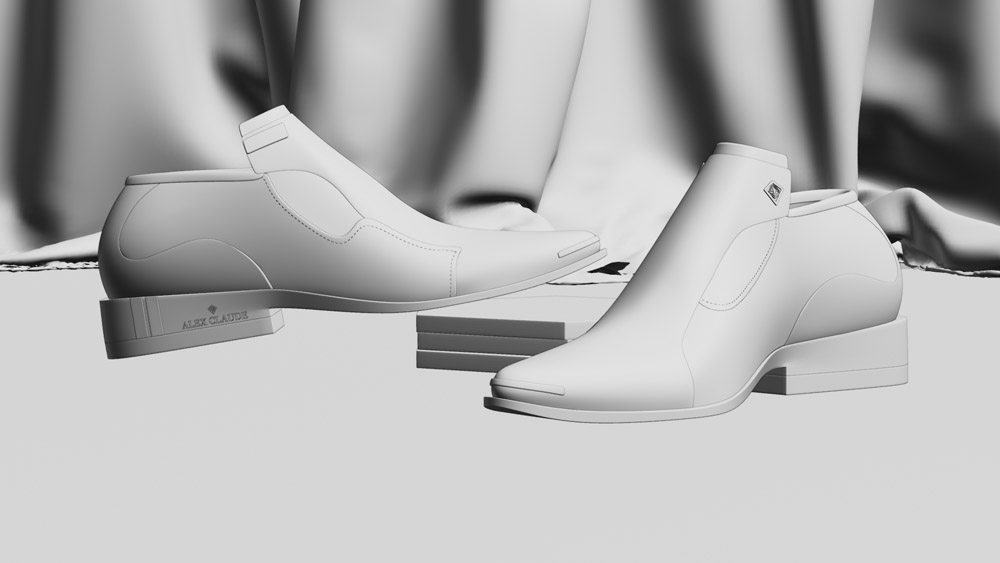
How Does the Design Process Work From Concept to Render?
It starts with one question: who is this brand truly for? The initial conversation for Alex Claude revealed a clear vision. This footwear brand wanted to compete with established European luxury houses while holding its own distinct identity. That is a serious challenge. You need heritage without imitation, and confidence without arrogance.
I spent time studying the luxury footwear market before drawing a single line. What visual codes do successful brands rely on? Where are the gaps? What has been overdone? I noticed many competitors leaned heavily on black and white palettes. That opened the door for Alex Claude to own warm cognac and burgundy tones as its own territory.
Design development happened in stages. I explored logo directions on paper first, then refined the strongest concepts digitally. The logo features a diamond-shaped monogram with a French Fleur-de-lis at its center. That symbol carries immediate associations with nobility and European craftsmanship, while the geometric diamond shape adds a contemporary edge that keeps the brand feeling current rather than dated.
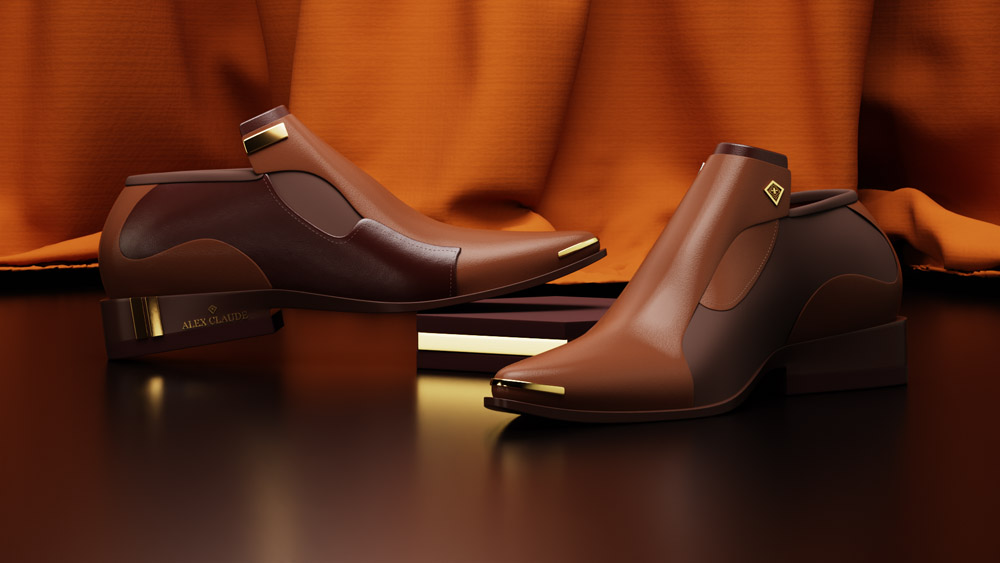
Once the core identity was solid, I moved everything into Blender for 3D visualization. I modeled the shoes, built the packaging from scratch, developed the material textures, and rendered photorealistic scenes that read like actual product photography. Small adjustments to lighting, material finishes, and camera angles made meaningful differences in how premium the final brand appeared on screen. The client could see their brand on packaging, in advertising, and on physical products before committing a single dollar to manufacturing.
For the color palette, I built around four key tones: rich cognac orange, deep burgundy red, chocolate brown, and metallic gold accents. These colors work together to create warmth and sophistication. They also translate cleanly across digital and print, which matters when the same asset needs to work on an e-commerce page, a social post, and a retail shelf at the same time. You can see more about how I approach this kind of work on my 3D product visualization services page.