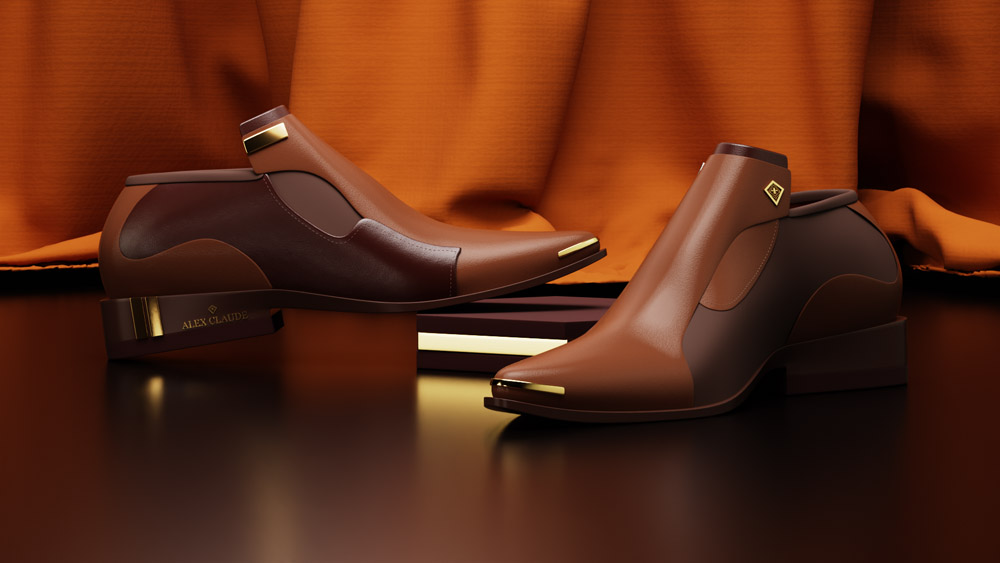
How to market a clothing brand 10 effective ways. Budgets, giveaways, influencers, and more. Different ways to get word out about a fashion line.
How to Market a Clothing Brand: 10 Most Effective Ways
Building a solid social media presence is key to marketing any clothing brand. Utilizing platforms like Instagram, Facebook, Twitter and YouTube enables you to target your desired audience within various demographics.
Developing content that appeals to your customer base should be the core focus while creating visuals that accurately represent how stylish or "on trend" your clothing is. Instant feedback is essential to allow customers to engage with your product.
It comments it can produce from these platforms, ultimately allowing you to build a buzz around your brand. By consistently producing exciting and engaging posts, you will be able to establish an online presence for your brand that captivates viewers and ensures customer loyalty.

Have a clear and consistent brand identity
Having a clear and consistent brand identity is vital when it comes to how to market a brand. A solid visual identity helps customers recognize your brand for the qualities you want them to remember.
Potential customers should be able to identify your product and separate it from competitors based on how it looks, plus how you talk about it. Having a clear and consistent brand identity means using the same visuals, language, and voice across all your marketing materials and branding initiatives.
Doing so ensures that everyone has clearly defined expectations of how your product should look, how they should interact with it, and how you want them to feel. In addition, developing a recognizable style that connects with potential customers connects them with how you want to represent your fashion brand both now and in the future.
Make an excellent first impression with your website
When it comes to how to market your clothing line, first impressions are everything. Your website is often the first thing customers and potential partners will interact with, so make sure it's sleek, professional, and easy to navigate.
Aside from being aesthetically pleasing, your website should detail what products you offer, how customers can purchase them, and how you intend to support them following purchase.
Display your contact information, opening communication channels between you and interested parties. By taking these steps, a great first impression is only a few clicks away!
Use high-quality photography
High-quality photography is essential for how to market a clothing brand. Images provide potential customers with a visual representation of the merchandise, allowing them to better connect with and understand how a product looks.
Through professional photographs, brands can create compelling imagery that emotionally engages their target audiences and ultimately helps drive sales.
Investing in high-quality photography can cut through the noise of an online marketplace, helping brands stand out and remain competitive.
Offer discounts and free shipping
Generating interest in a brand is essential to business success. Offering discounts and free shipping makes customers more likely to be tempted by the product you are selling.
This tactic can be used as part of an ongoing marketing campaign or implemented around special days such as Father's Day and Black Friday. For those just starting, it can be the difference between making the sale or not.
Plus, customers feel instantly rewarded for investing in your business by delivering the clothes straight to their door with no shipping charges.

Collaborate with other brands
Collaborating with other brands can be an effective technique for marketing a clothing brand. It introduces your brand to a different demographic, provides exposure to an already established audience, and can easily add credibility to your own.
Building relationships with other companies and individuals allows you to create a more extensive network within the industry, which may lead to tremendous success in the long term.
While it's essential to partner with brands that have values similar to yours so that customers understand how much you both align, reaching out and seeing how the collaboration can spur innovative ideas and push boundaries is fine.
Sponsor events or bloggers/influencers
Working with bloggers and influencers can be an effective way to market a fashion line. For instance, by sponsoring events, companies gain access to a broader audience and have the opportunity to be seen on multiple digital media platforms.
Even paying an influencer to wear a t-shirt design with your brand's name or icon can ignite a trend or serve as a catalyst to your business. Zendaya wearing your brand's shirt, outfit, or other products is enough to increase sales. She doesn't even have to say a word, her putting it on would do enough to improve business for your branding campaign.

fashion influencer
This type of marketing also lets brands connect with their target markets through creators they trust, making it easier for them to understand how their products can help people's lives.
With sponsorships, companies can take advantage of personalized content while accessing industry-leading technology and platforms to increase visibility and boost their reach.
An added benefit is that sponsoring events or influencers gives businesses additional credibility – building relationships with trusted partners help establish a higher level of trustworthiness overall.
Give away free products
Offering free products is a very effective way to promote a brand and boost its market visibility. When customers try out your product for free, it allows them to form insights about how it fits into their lifestyle and how it compares to other brands.
Giving away free products is especially helpful for new brands that may need to compete with larger clothing companies in terms of a spendable marketing budget.
Not only does this method help raise awareness with potential customers, but it also helps create positive word-of-mouth reviews that can be used as a platform to build upon future marketing efforts.
Digital marketing campaigns for clothing brands
Investing in digital marketing campaigns is key to how to market a clothing brand. By utilizing an effective digital marketing strategy, you can ensure that your clothing line reaches the right people and increases sales.
Digital marketing allows a clothing business to target people who share interests or backgrounds with the clothing they offer, providing the opportunity to make a strong connection and build stronger relationships with their customers.
Businesses can determine how much money they spend on SEO and how successful each campaign has been, allowing them to understand better which strategies work best for their brand. With its numerous benefits, investing in digital marketing campaigns can help any brand reach new heights.

Example Promotion for A Fashion Brand
Utilize print advertising
In today's digital age, print advertising remains a valuable tool in helping push brands. Whether in the form of a poster, a catalog, or a newspaper ad, the use of printed material can increase visibility for the brand by engaging its target audience in physical form.
It allows for personalization with potential customers and provides creative opportunities to not only express the look and feel of the outfits created, but also communicate important messages such as special offers or product launches.
As a result, print advertising can be a compelling component of marketing a clothing brand.

Branding Design Pro | Design Studio
Branding Design Pro is a branding and logo design studio; it's only worth mentioning if you are in the early stages of your business plan to launch. We offer a free brand design consultation. For more information, you can visit the home page or the brand design portfolio to view examples of our work. If you need a 3D product render or design, you can also schedule a meeting to discuss your vision and inquire for a quote specific to the project.